In Africa we have many ethnic groups located all over Africa, Mursi tribe is one of the group located in Ethiopia close to the border with South Sudan. Mursi live in the Lower Omo Valley of southwestern Ethiopia and number less than 10,000. Their territory of around 2,000 km2 lies in the South Omo Zone of the Southern Nations, Nationalities and Peoples’ Regional State , roughly between the Rivers Omo (Warr) and Mago (Mako). They speak a Surmic language belonging to the Nilo-Saharan language family.
Planting at the Omo
Ngatini Elmo planting her Omo garden in October 2010 after the flood had retreated.
The Mursi see themselves as the product of a series of migrations, all of which were part of a continuing effort to find and occupy a “cool place” (bha lalini), a place with riverside forest for cultivation and well watered grassland for cattle herding. Cattle continue to make a vital contribution to their diet. But although often described as ‘nomads’ by government officials, they lead a relatively settled life and depend heavily upon cultivation. During the dry season they live mainly along the banks of the Omo. When the rains come they return to the grasslands, east of the river, to live close to their cattle and enjoy the fresh milk.
Life for the Mursi is often arduous and sometimes dangerous. But they have learnt to live well and there is much time for relaxation, chatting, music and gossip. They have a rich oral tradition through which they preserve and transmit their history, philosophical knowledge and moral stories. They have a keen aesthetic life that centres on their awareness of colour, cattle and body painting. Two distinctive features of their society by which they have become known to outsiders, are ceremonial duelling (sagine) and the large pottery discs or ‘plates’ (debhinya) which are worn by women in their lower lips.
Dueling is a form of martial art, in which teams of men from different local divisions of the population (bhuranyoga) fight each other with two-metre wooden poles (dongen) in short but fierce bouts. The lip-plate is an expression of female social adulthood. A girl will have her lip pierced by her mother, or another woman of her local community, when she reaches the age of around fifteen. Adult men belong to named ‘age sets’ and pass through a series of ‘age grades’, while married women take their age status from their husband’s.
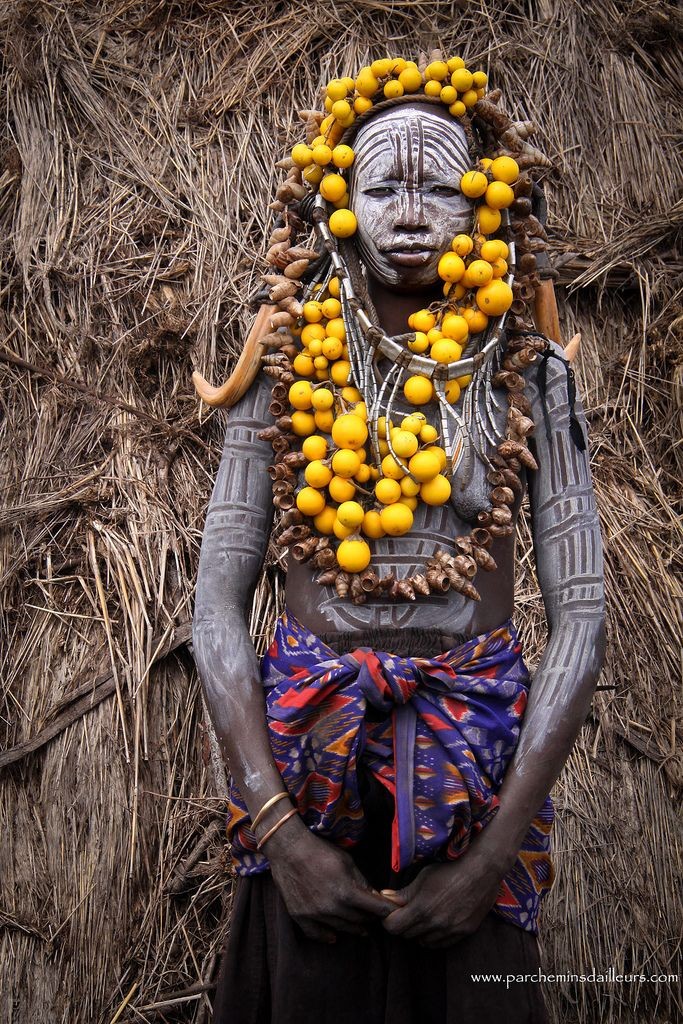
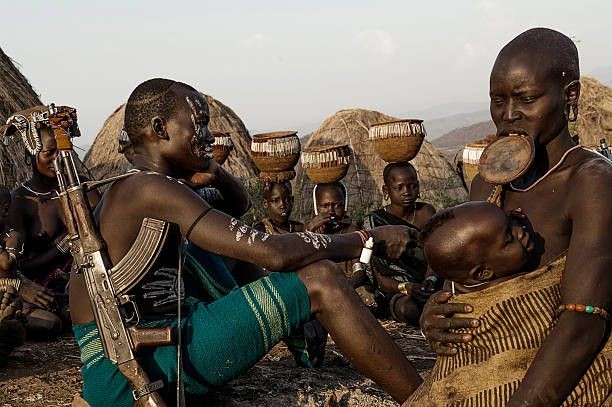
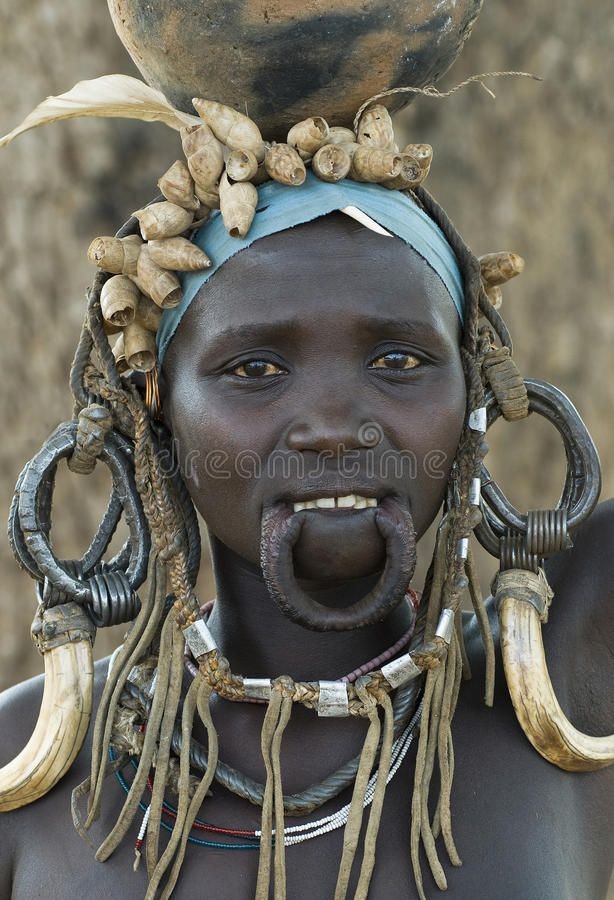
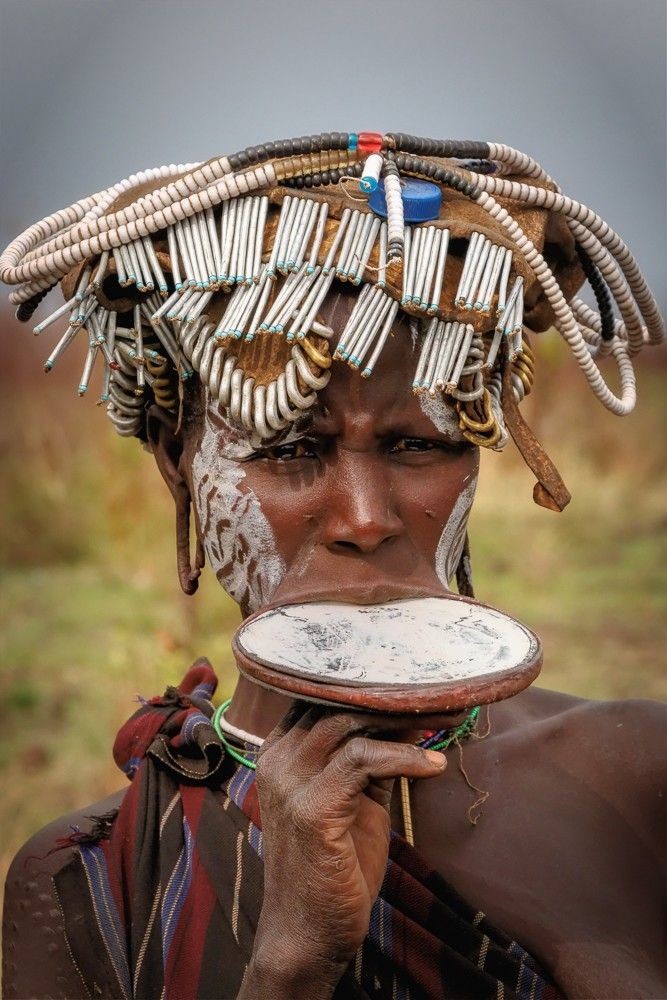
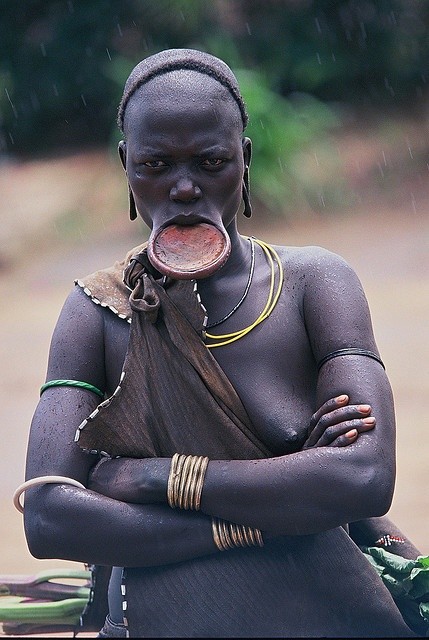
Mursi women are famous for their wooden lip plates – a symbol of beauty and identity.


A girl’s lower lip is cut (sometimes by her mother) when she reaches 15 or 16, and held open by a sodden plug until it heals. It’s up to the girls how far they want the lip to be stretched. The very painful process often takes over several months.
Lip plates are more frequently worn by unmarried girls and newlywed women than by older married women with children. They are generally worn on occasions such as serving men food, milking cows, and important rituals like weddings.
Unmarried girls, especially those with large labrets, might wear them whenever they are in public. It’s expected that a boyfriend or husband will not sleep with his girlfriend or his bride until her lip has fully healed. However, modern men are increasingly sleeping with their love interests even before they have pierced their lips.
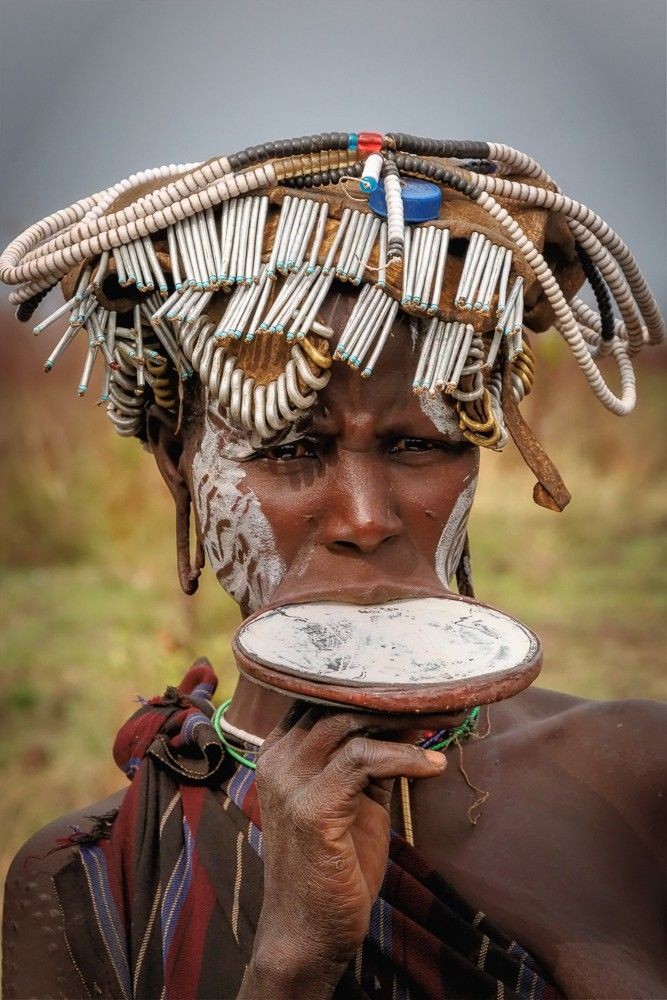
This may be a scary thing for some but to MURSI people this is a sign of beauty. They are one of the last tribes that still wear traditional clothing and accessories. Mursi women are famous for their wooden lip plates a symbol of beauty and identity.
 African lifestyle
Leave a comment